Why Balance Matters in Today’s Market
Right now, the ten largest companies in the S&P 500 make up close to 40% of the entire index, a level we haven't seen since the 1960s.
How do you reconcile your head and your heart when the two seem at odds—especially when money is involved?
When markets feel gloomy, and headlines grow louder, an advisor helps separate noise from reality
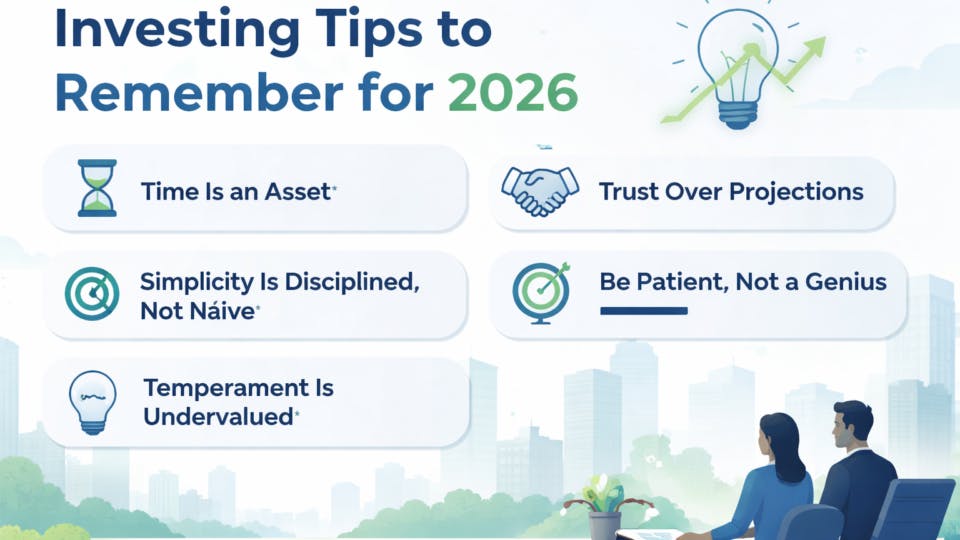
Financial markets, news, social media, and even the church potluck are saturated with commentary. Intelligence and information are common; discipline is scarce.
When it comes to investing, stories can be powerful. A good story can make people excited, confident, or even a little fearful — and those emotions can move the market just as much as company performance does. When that happens, people start buying or selling based on headlines and hype rather than what a company is actually worth.
Baseball Hall of Famer Yogi Berra once said, “Baseball is 90% mental; the other half is physical.” The same can be said about money and investing — 90% of it is behavior, and the other “half” is knowledge.
This is a summary of the article “3 Mistakes to Avoid When Preparing for the 2024 Election” by Samantha Lamas. During election years, individuals are particularly susceptible to cognitive biases, driven by the high stakes involved in potential outcomes. Uncertainty dominates, overwhelming rational thought processes. As the 2024 election approaches, it’s crucial to recognize and...
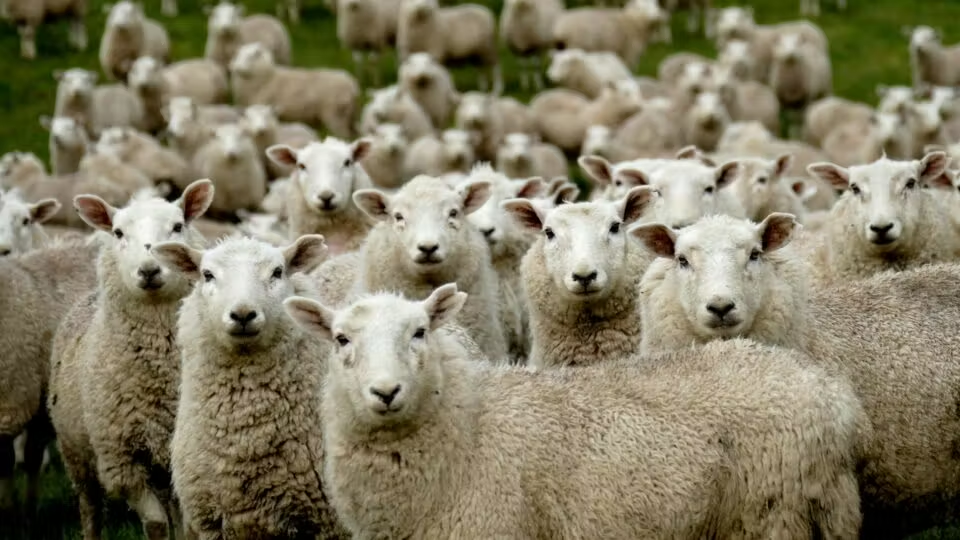
Have you ever bought a stock “just because everyone else was”? Felt pressured to invest in a trendy new technology, even if you didn’t fully understand it? Welcome to the wild world of herd behavior in behavioral finance! Simply put, herd behavior is our tendency to mimic the actions of others, especially when faced with...
As a seasoned financial planner with over three decades of experience in the industry, I've witnessed countless instances where investing common sense has clashed with our natural instincts. It's a fascinating paradox...
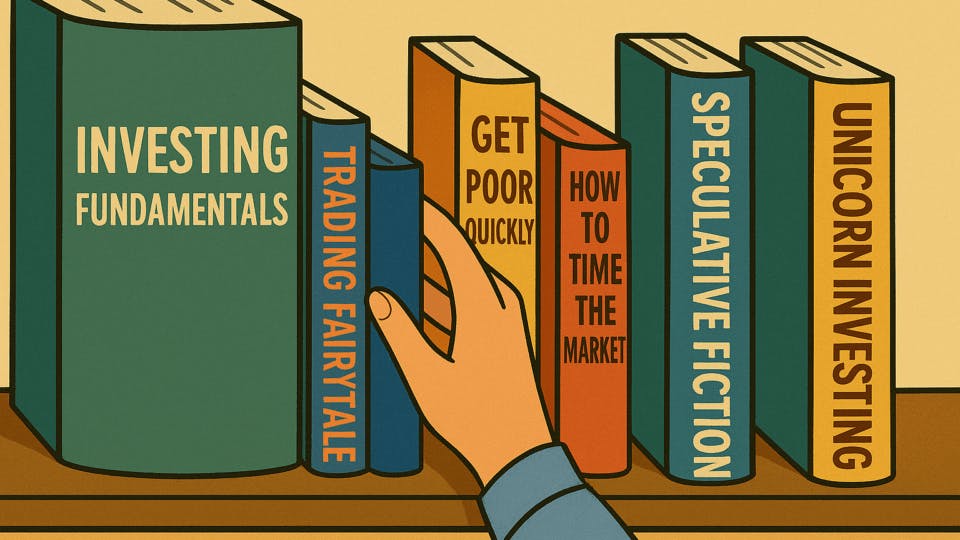
Let me start by stating one can gain investment know how (knowledge) by reading books listening to podcasts, and studying investment materials. In the same way one can learn to walk a tightrope by practicing in the backyard on a rope 6 inches off the ground. You can become very good at navigating that tightrope in the backyard. When the tightrope is strung between two buildings 300 foot off the ground that "experience" isn't as valuable.